
Handling Post-Surgical Recovery
Post-surgical pain management is crucial in determining the speed and effectiveness of a patient’s recovery. Understanding pain and its impact on the body post-surgery is essential in tailoring a treatment plan that addresses individual needs. This guide dives deep into a range of pain management techniques, covering actions you can take at home to aid your recovery, while also providing a few options that a pain management doctor can assist with, especially for patients dealing with chronic pain or nerve-related conditions such as neuropathy. By adopting a multifaceted approach, this comprehensive guide aims to optimize pain relief and enhance overall recovery after surgery, ensuring a smoother transition back to daily life.
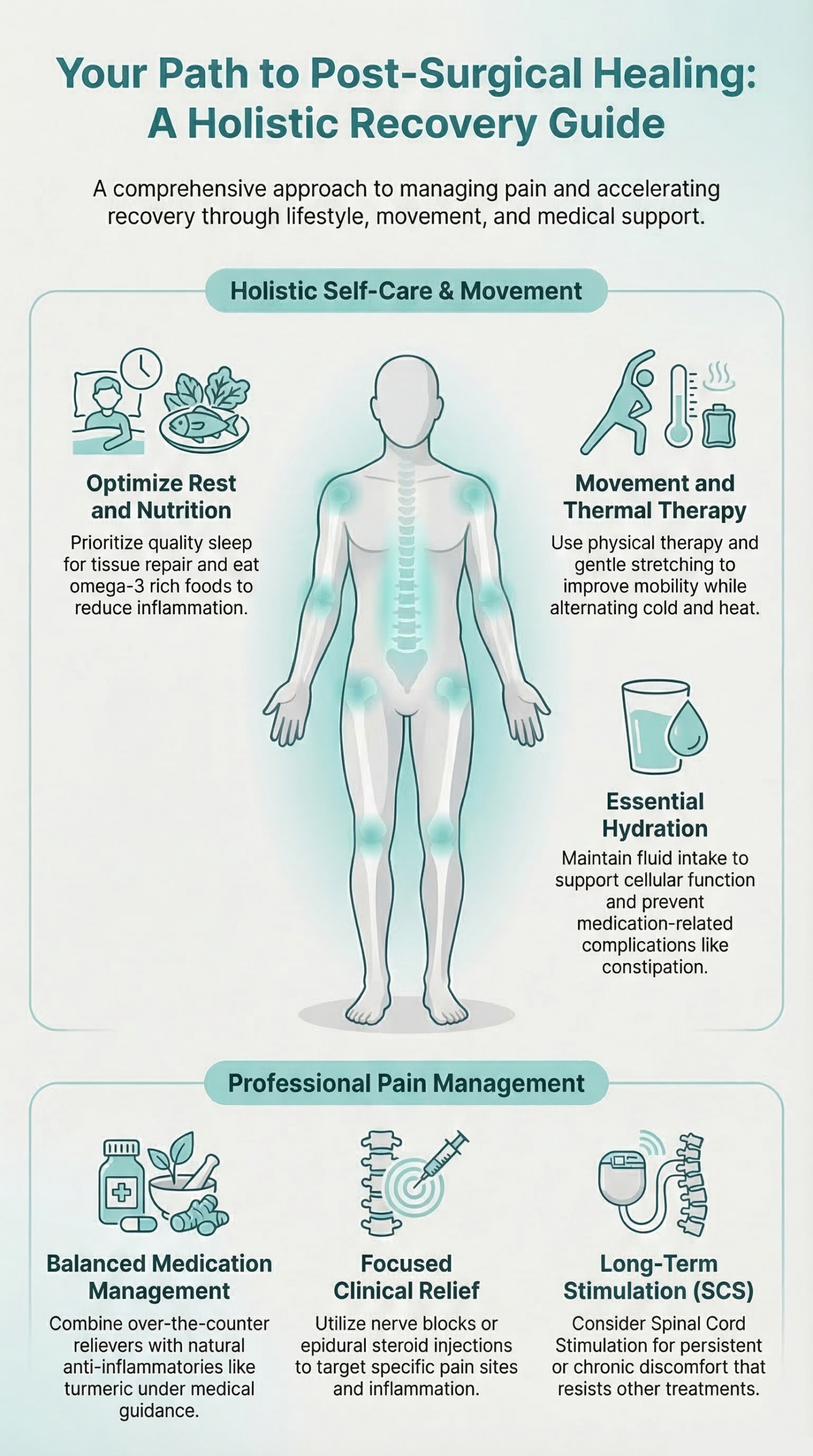
Over-the-counter Pain Medications and Turmeric
The management of post-surgical pain often involves a combination of over-the-counter (OTC) pain relievers and natural alternatives, with turmeric emerging as a notable option. OTC pain relievers, such as nonsteroidal anti-inflammatory drugs (NSAIDs) and acetaminophen, are commonly used for their effectiveness in reducing pain and inflammation. However, their use should be monitored due to potential side effects, especially with prolonged use. These approaches are often used alongside professional pain management for chronic conditions such as musculoskeletal pain.
Turmeric, known for its potent anti-inflammatory properties, serves as a complementary alternative to these medications. The active compound in turmeric, curcumin, has been shown to reduce inflammation, a key factor in post-surgical pain. Incorporating turmeric into the pain management regime can be beneficial for patients looking for a natural approach to reduce discomfort. While turmeric offers a gentler approach to pain relief, it’s important for patients to consult with their healthcare provider before combining it with OTC medications, ensuring a safe and effective pain management plan. The integration of turmeric and OTC pain relievers can provide a balanced approach to managing post-surgical pain, offering both immediate relief and long-term benefits.
Physical Therapy
Physical therapy plays a vital role in managing post-surgical pain and is often a cornerstone of a patient’s recovery plan. A tailored physical therapy program helps not only in pain reduction but also in accelerating the healing process by improving mobility and strength.
In the initial stages after surgery, physical therapy focuses on gentle exercises to enhance circulation and prevent stiffness, gradually progressing to more intensive exercises aimed at rebuilding strength and flexibility. This gradual progression is key to ensuring that the recovery process aligns with the body’s natural healing timeline.
Physical therapists can also provide invaluable guidance on proper movement techniques and posture, which are essential in preventing undue stress on the surgical site. This educational aspect of physical therapy empowers patients to actively participate in their recovery and helps prevent future complications.
Rest
Adequate rest is fundamental for the body’s healing process, and should not be overlooked in an attempt to quickly get back to daily activities. During rest, the body undergoes tissue repair and regeneration which is crucial after surgery. Additionally, quality sleep and relaxation can help in reducing stress hormones, which can often exacerbate pain sensations. Ensuring that you are getting sufficient rest not only aids in minimizing your discomfort but also speeds up the recovery process, allowing the body to focus its energy on healing.
Diet
A diet that includes plenty of fruits, vegetables, whole grains, and lean proteins ensures that the body gets an array of vitamins, minerals, and amino acids essential for healing. Foods rich in omega-3 fatty acids, such as fish, nuts, and seeds, have been shown to have anti-inflammatory properties, which can further aid in reducing pain and swelling.
Hydration is another crucial aspect of post-surgical recovery. Adequate fluid intake is essential for maintaining optimal cellular function and for the elimination of toxins and waste products from the body. Staying hydrated can also aid in preventing complications such as constipation, which can be exacerbated by certain pain medications.
Yoga and Stretching
Yoga and stretching exercises are excellent for managing post-surgical pain, focusing on enhancing flexibility, circulation, and muscle relaxation. Tailored for post-surgical recovery, yoga incorporates mild poses and mindful movements that aid in getting the body moving, controlling breathing, and reducing pain. This approach not only helps in stretching and strengthening muscles but also in improving joint mobility and reducing stiffness. Regular, mindful yoga can significantly aid in recovery by promoting relaxation, enhancing joint mobility, and increasing blood flow to healing areas.
Stretching exercises complement yoga by preventing scar tissue formation and improving flexibility, which is crucial after undergoing surgery. Customized stretching routines target specific areas of the body, ensuring exercises are safe and effective. These physical techniques extend beyond pain management, contributing to overall mental well-being. Patients should consult healthcare providers before starting these exercises to make sure that they align with their recovery needs. With professional guidance, gentle yoga and stretching can be integral to managing pain and enhancing post-surgical recovery.
Utilizing Cold and Heat Therapy for Effective Pain Relief
Cold and heat therapy are simple yet effective methods for managing post-surgical pain. Cold therapy, applied shortly after surgery, can be particularly effective in reducing swelling and numbing sharp pain. It works by constricting blood vessels, which slows blood flow to the area, thus reducing inflammation and pain.
Heat therapy can be more beneficial during later stages of recovery. It relaxes muscles and improves blood flow, which can help alleviate discomfort and expedite the healing process. Heat therapy is particularly effective in easing muscle stiffness and joint pain that may develop after surgery.
Nerve Blocks and Epidural Steroid Injections
Nerve blocks and epidural steroid injections are two effective techniques for managing post-surgical pain, each targeting specific aspects of pain relief. Nerve blocks involve the administration of an anesthetic near specific nerves, providing targeted relief, especially useful in surgeries involving extremities or localized body areas. This method blocks pain signals from reaching the brain, offering immediate and focused pain control.
Epidural steroid injections are primarily used for spinal pain relief post-surgery and are a common treatment for nerve-related pain conditions. These injections deliver corticosteroids and a local anesthetic into the epidural space around the spinal cord. The corticosteroids reduce inflammation and swelling around the nerve roots, addressing the root cause of pain, particularly in cases of nerve irritation or compression post-spinal surgery.
Spinal Cord Stimulation as a Long-Term Solution for Chronic Post-Surgical Pain
Spinal Cord Stimulation (SCS) is an advanced technique used for managing chronic pain, especially in cases where patients continue to experience discomfort after surgery, such as failed back surgery syndrome. SCS involves the implantation of a device that delivers low-voltage electrical currents directly to the spinal cord. These currents interfere with the transmission of pain signals to the brain, effectively reducing the perception of pain. This method is particularly valuable for patients who haven’t found adequate relief from other pain management strategies or for whom additional surgery is not a viable option.
Conclusion:
Managing pain after surgery is a key part of getting back to your daily life. Consulting with a pain management specialist is a critical step in this journey. While this guide offers several options, a pain management doctor can offer tailored advice and specific treatment options, from home solutions to specialized treatments, ensuring each patient’s path to recovery is as smooth as possible. By integrating professional medical guidance with a comprehensive approach to pain management, you will be empowered to navigate your post-surgical recovery with confidence and comfort, paving the way to a quicker return to wellness and everyday activities.


